New Russian Order in the Middle East?[Over]  By Dr.Cyril Widdershoven, EGF Affiliated Expert, Military geopolitics By Dr.Cyril Widdershoven, EGF Affiliated Expert, Military geopolitics
Military environment in the Mediterranean is changing according to the chess plans of Russia’s leader Vladimir Putin. After bridging the immense opposition Russia was encountering during and after the demise of the USSR, a new Russian influence sphere has been built up of unforeseen order. It how the situation is perceived by Western leaders and military experts.
Re-emergence of Russian military assets and bilateral and multilateral relations with Arab countries is now being substantiated by the set-up of new military alliances in and around the Mediterranean. READ MORE
Launch of a new EGF monthly: the Geopolitical Trends[Over]  George Vlad Niculescu,
Head of Research, the European Geopolitical Forum
EGF is excited to announce the launch of a new monthly information product, the Geopolitical Trends. Written by our long-time Head of Research, George Vlad Niculescu, it aims to fill a gap in complex, multi-optional coverage of key geopolitical trends in Eurasia. Each issue will delve deeply into current events, such as recent Russian/American actions in Syria and implications for the ongoing conflict in Ukraine.
For year 2016:
Please click here for Issue 1
Please click here for Issue 2
For year 2015:
Please click here for Issue 1
Please click here for Issue 2
- Tuesday, 7 March 2017, 10:08
What Can We Expect from 2017 in the Settlement of the Nagorno-Karabakh Conflict? - UPDATED[Over]
Interview with Azenglishnews.com by George Vlad Niculescu,
Head of Research, the European Geopolitical Forum
I would hope to see the year 2017 becoming a watershed in the Nagorno-Karabakh (NK) conflict resolution. To that end, one essential requirement is for the conflicting parties to identify a political compromise that would underpin the conclusion of a peace agreement on Nagorno-Karabakh. It is deemed widely that the inability to produce a resolution on the Nagorno-Karabakh conflict so far was, to a large extent, linked to the dilemma regarding the prevailing legal and political principles that would be applicable. READ MORE
- Wednesday, 22 February 2017, 04:22
EGF convenes high level expert seminar on Nagorno-Karabakh conflict resolution in Tbilisi[Over]
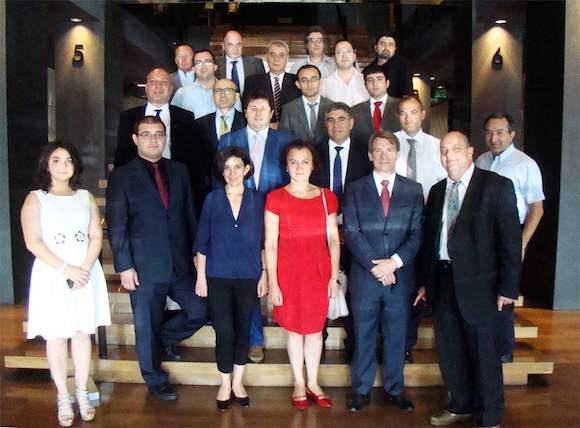
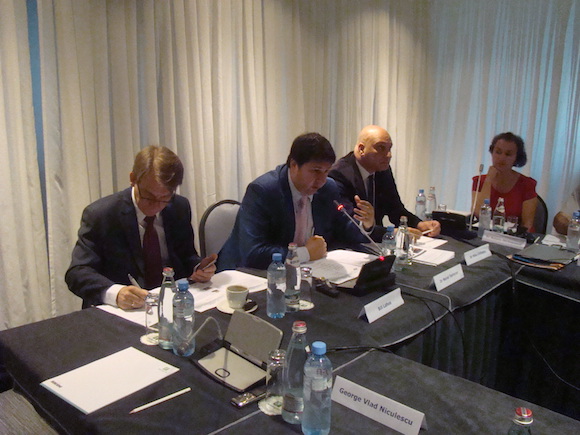
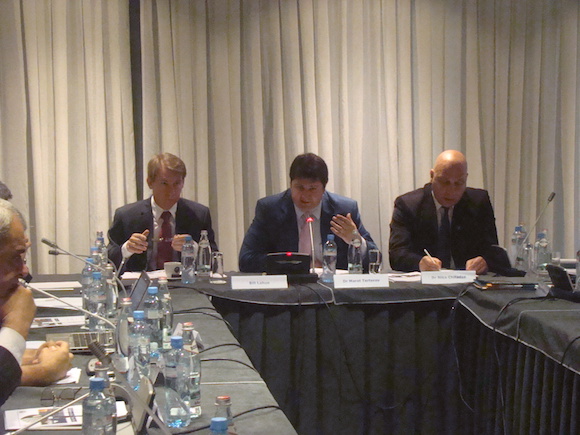
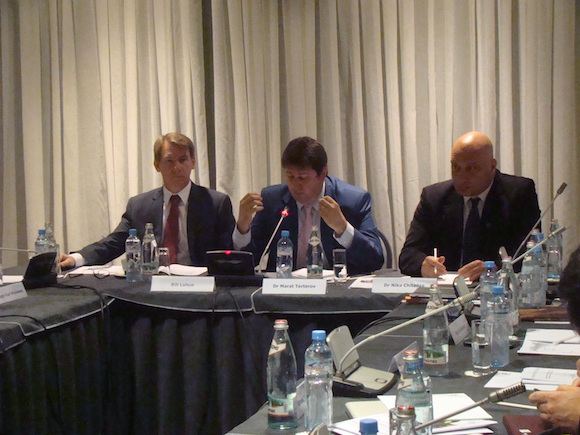
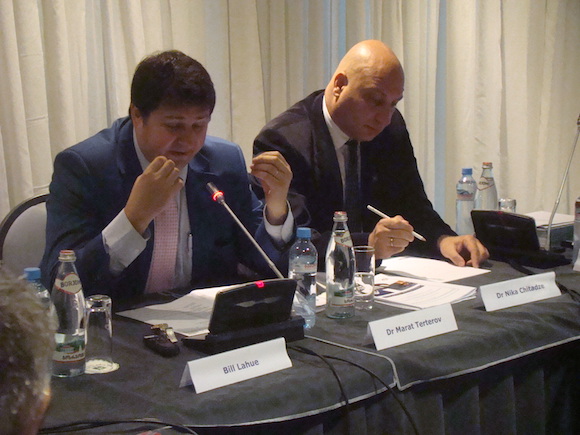
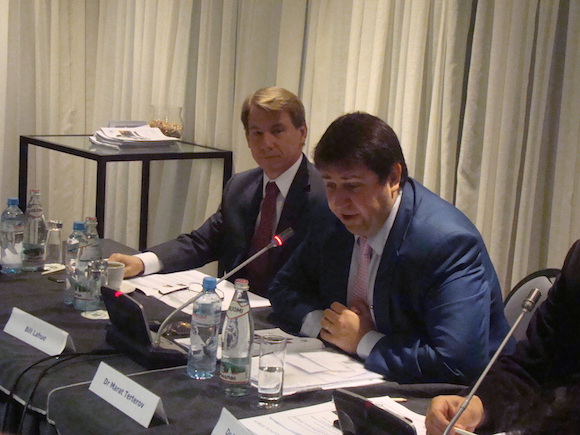
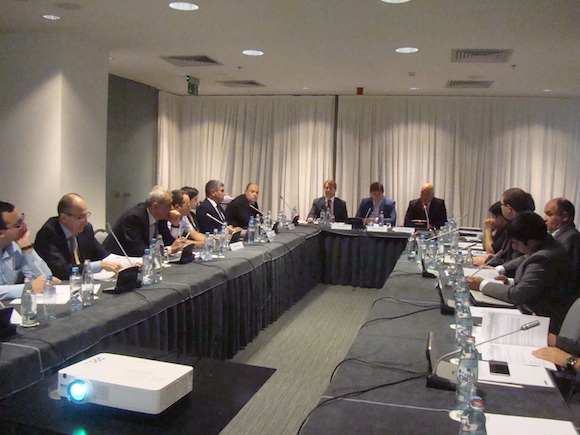
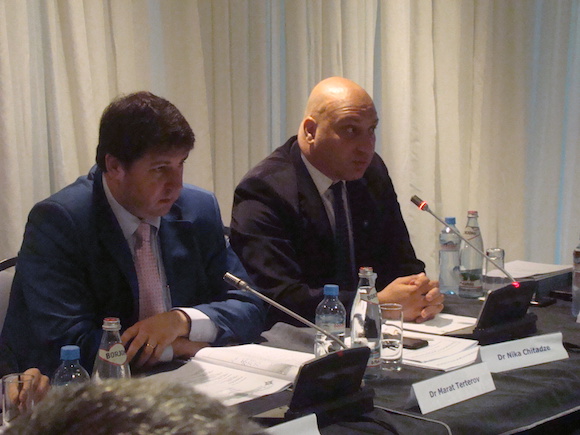
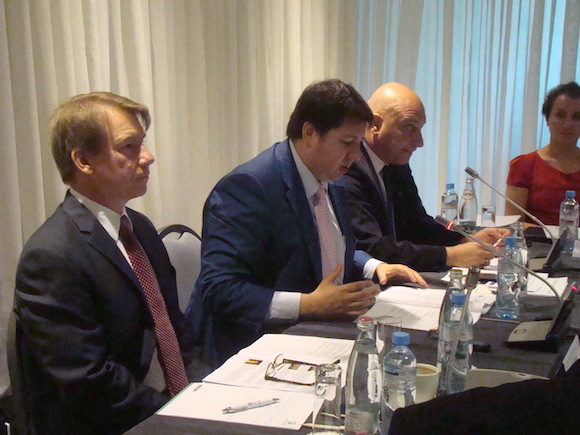
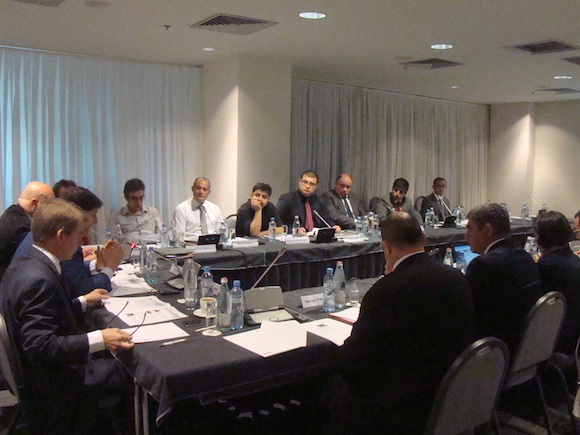
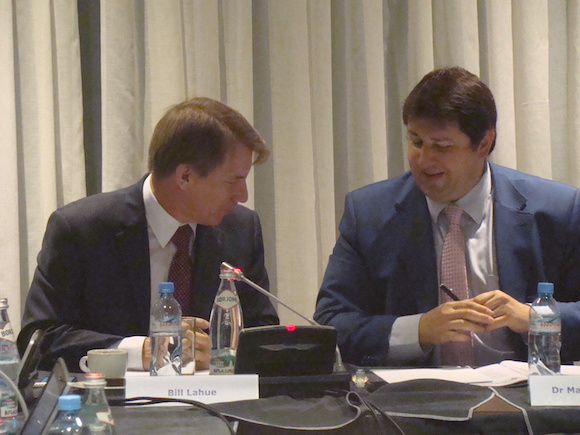
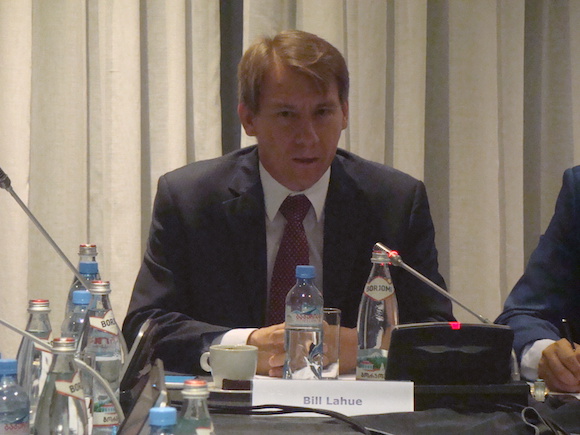
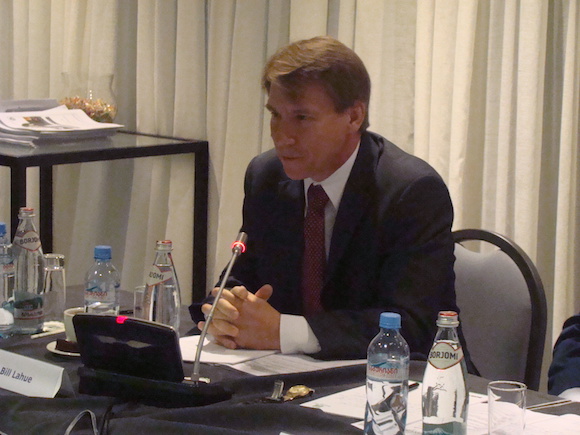
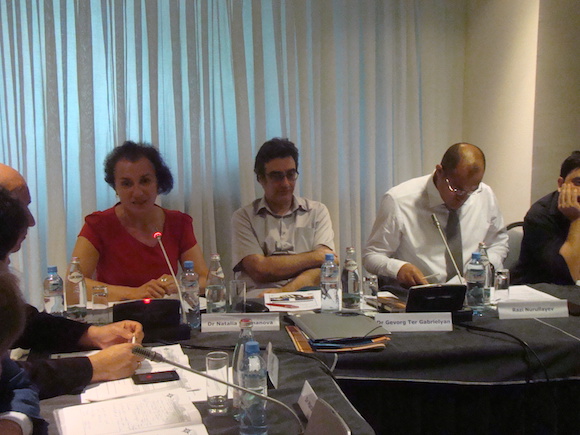
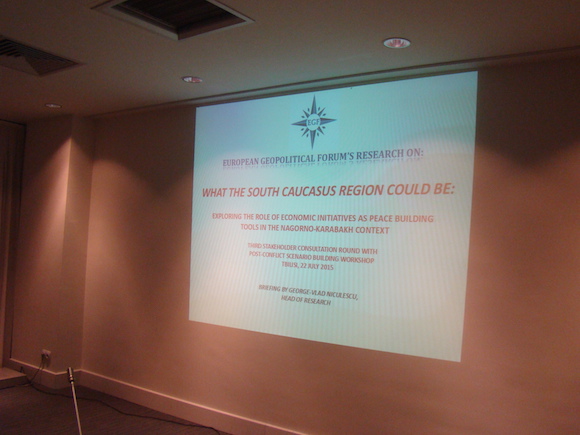
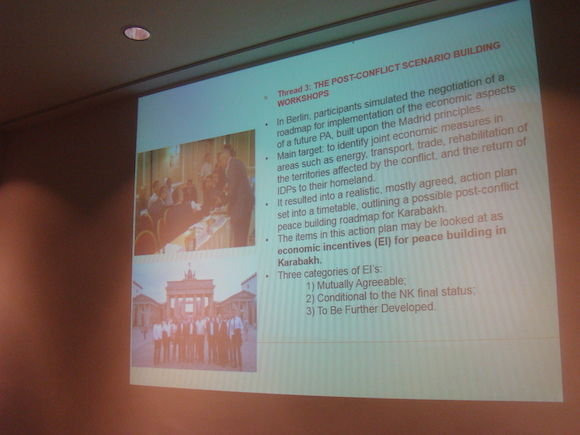
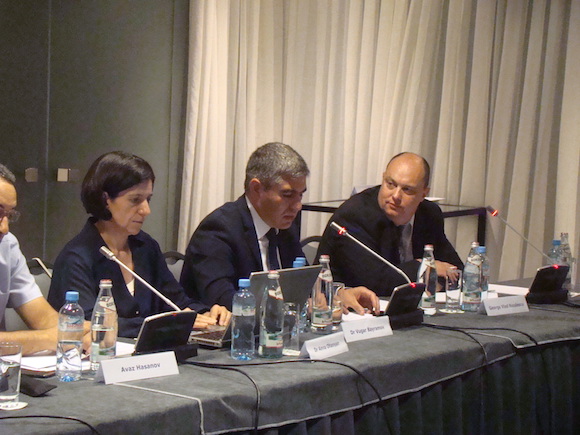
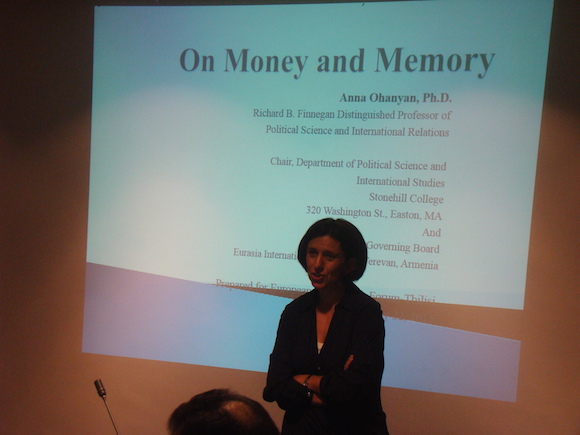
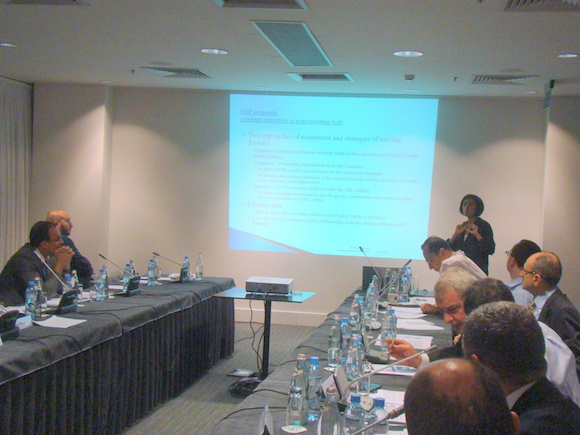
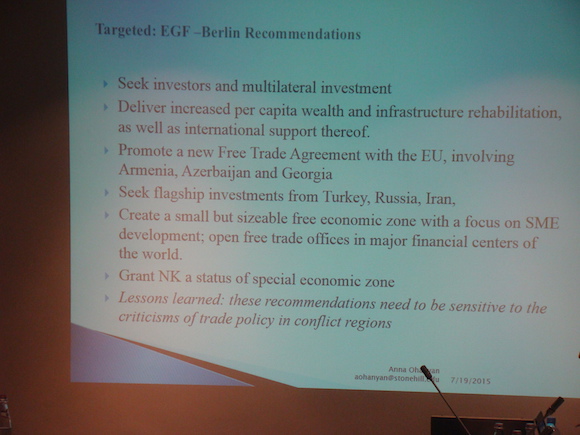
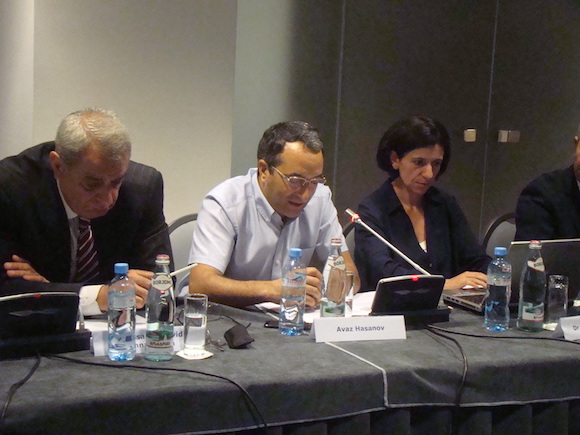
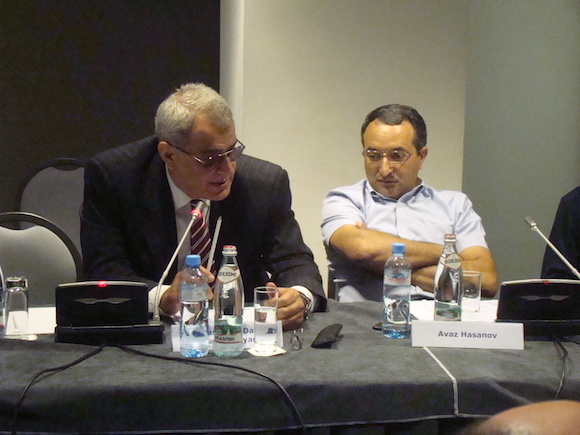
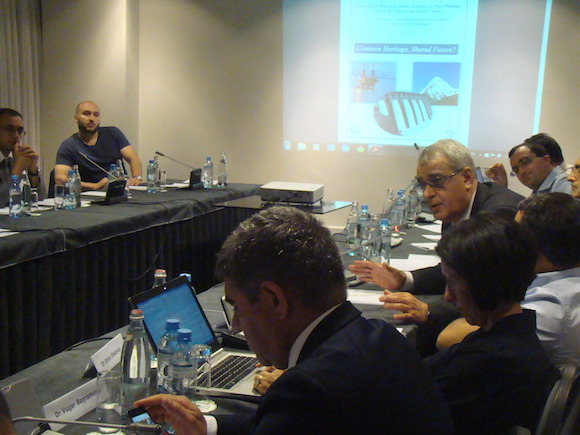
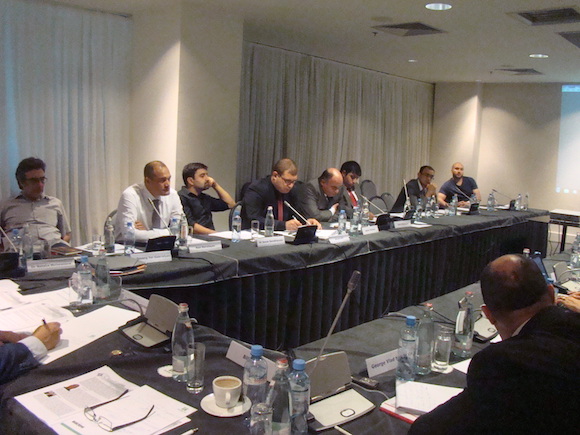
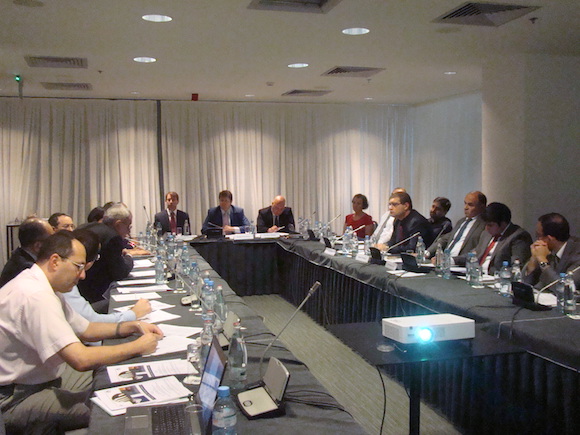
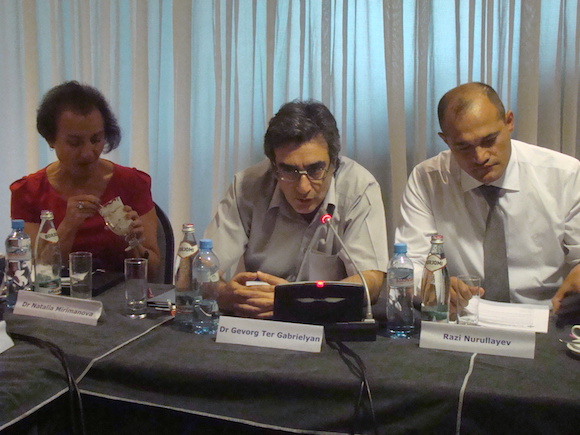
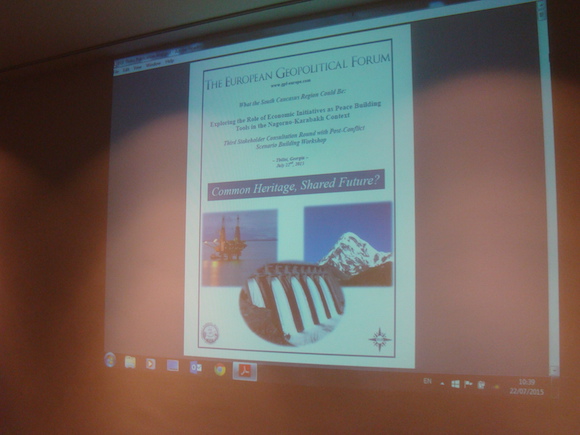
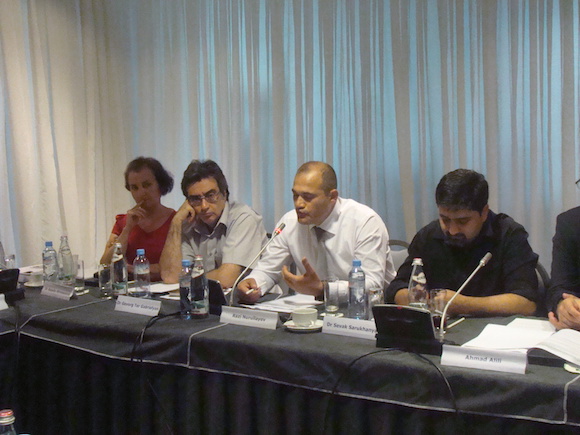
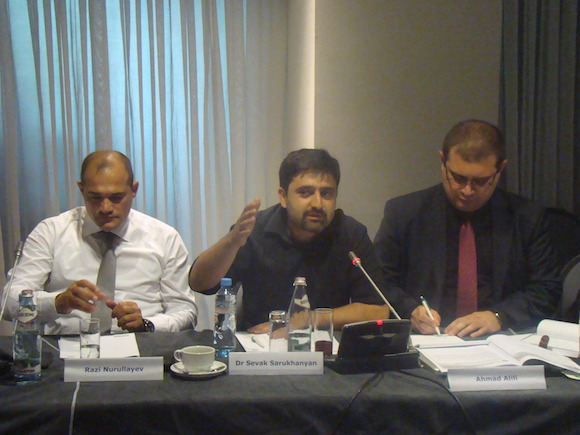
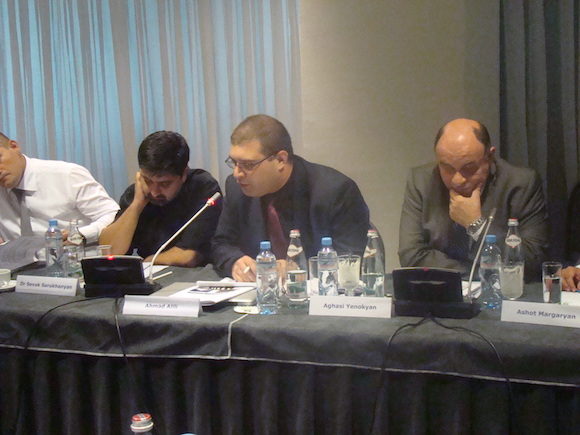
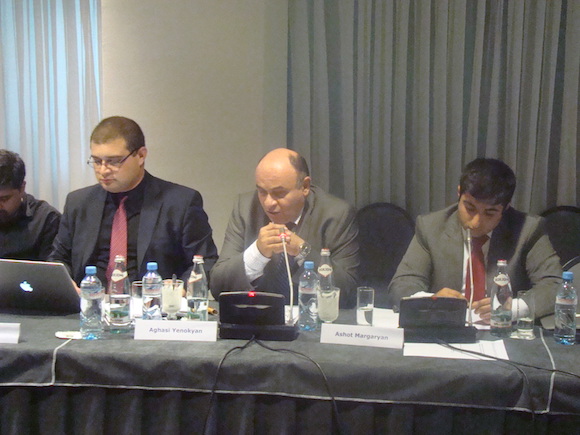
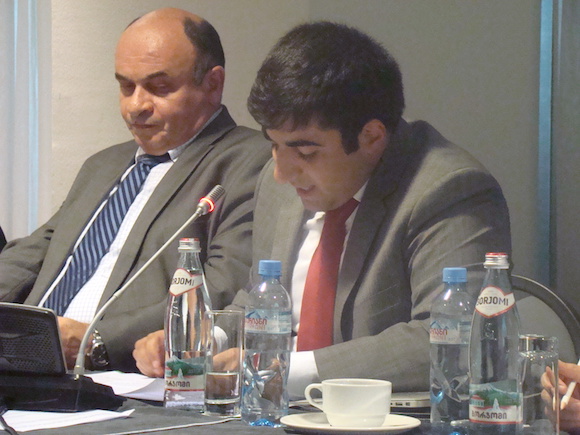
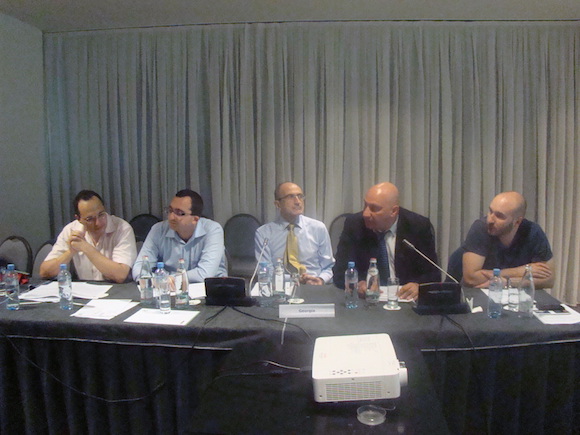
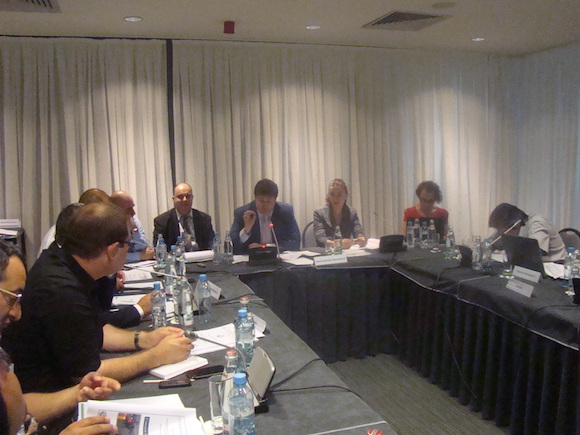
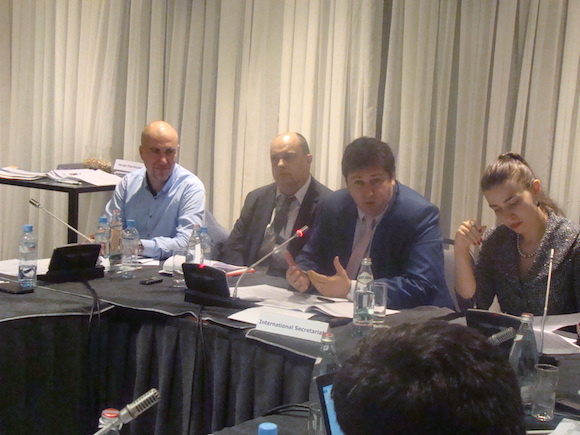
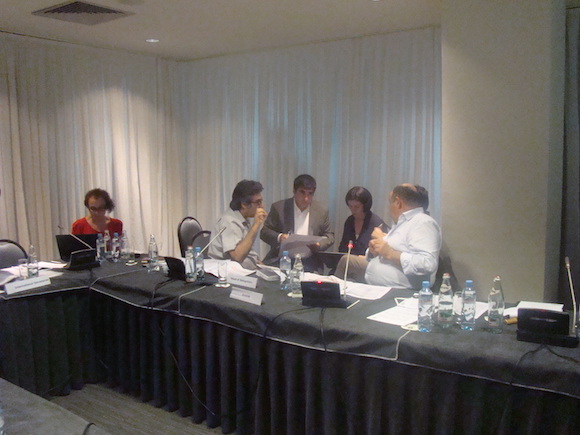
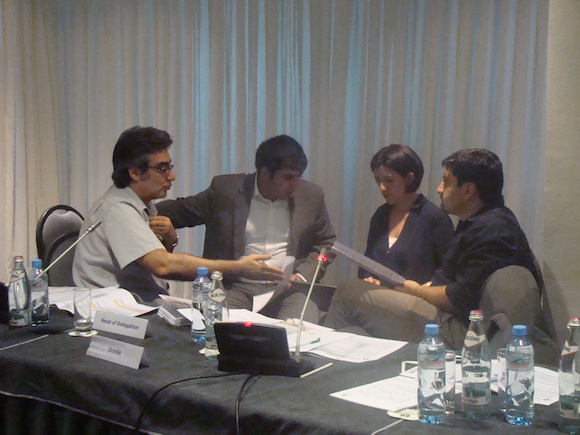
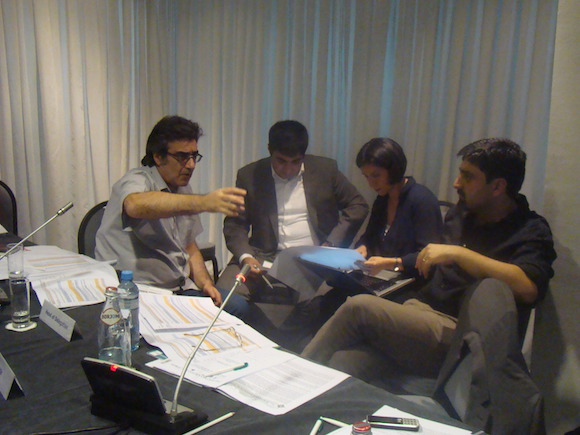
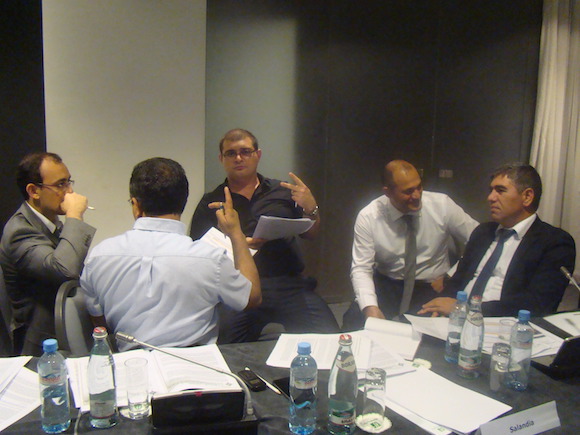
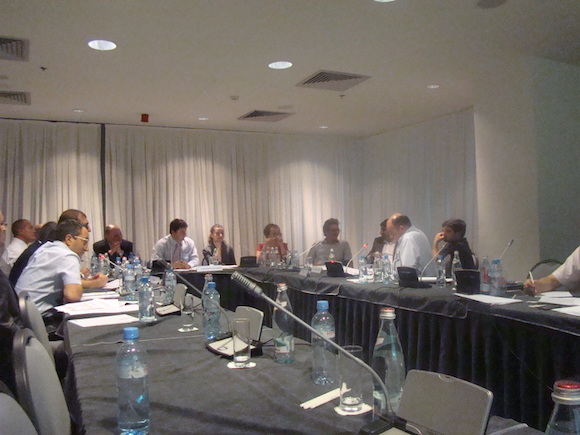
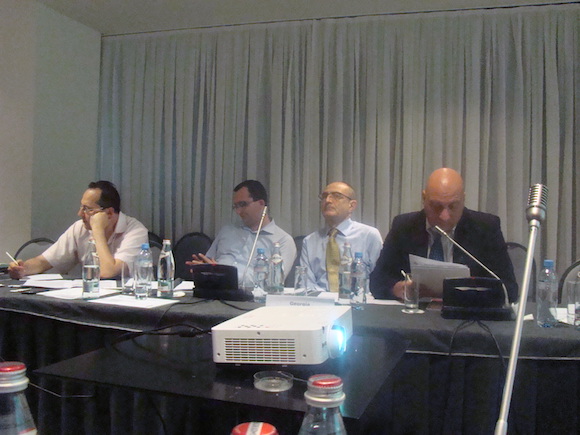
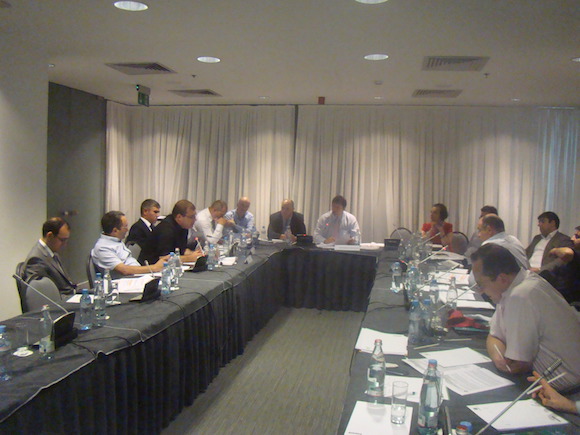
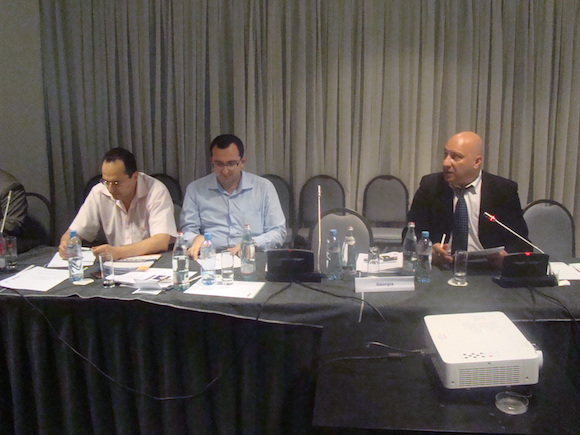
On 22 July 2015, EGF convened a further dialogue event between Armenian and Azerbaijani experts in its ongoing sequence on "What the South Caucasus Region Could Be: Exploring the Role of Economic Initiatives as Peace Building Tools in the Nagorno-Karabakh Context" in Tbilisi (Georgia). Similar to previous events of this nature held in 2014, the Tbilisi meeting unfolded in a constructive atmosphere and aimed to assess the role of economic initiatives in building peace in the Nagorno-Karabakh context. READ MORE
Uzbekistan President Karimov’s long-term vision of a Central Asian Nuclear Weapons Free Zone is now much closer to realisation[Over] 
 Snapshot analysis by Ben McPherson, Principal Editor, European Geopolitical Forum
In May 2014 an important initiative, the Central Asian Nuclear Weapon Free Zone, or CANWFZ, was enshrined by the actions of five nuclear states—the United States, the United Kingdom, France, China and Russia—as they signed a Protocol agreeing to respect the non-proliferation framework. The idea has been discussed since at least 1993, when the President of Uzbekistan, Islam Karimov, proposed it at the UN General Assembly. READ MORE
- Monday, 2 March 2015, 15:25
Despite hopes, Substantial Obstacles Remain for Near-Term Iraqi Gas Exports[Over]  Ahmed Mousa Jiyad, Ahmed Mousa Jiyad,
EGF Affiliated Expert
Following closely after the ground-breaking Turkey-Russia gas export/pipeline MoU announced last week, another agreement was publicized between the Iraqi government and the KRG that could send additional KRG gas to Turkey. Some argue that, if the KRG ramps up and exports significant volumes, it could pose problems for Putin’s new plan. EGF Affiliated Expert Ahmed Mousa Jiyad explains why this is unlikely. READ MORE
- Wednesday, 10 December 2014, 10:54
Sailing the Unsettled South Caucasus through Troubled Waters towards Regional Integration[Over]
George Vlad Niculescu,
Head of Research, the European Geopolitical Forum
Just like other parts of Eurasia, the South Caucasus is facing the challenge of a renewed East-West geopolitical competition underpinned by three evolving challenges: 1) a growing ideological gap between Russia and the West; 2) the chronic persistence of protracted conflicts; 3) the dilemma of post-Soviet states: European vs. Eurasian integration. More specifically, the South Caucasus geopolitical landscape is shaped by: READ MORE
- Tuesday, 25 November 2014, 20:56
Russia Seeks Increased Control of Karabakh Resolution After Clashes Between Armenia and Azerbaijan*[Over]
 Armen Grigoryan, Armen Grigoryan,
EGF Guest Contributor
After the recent clashes between Armenian and Azerbaijani forces, Russia’s leadership attempts to act more decisively in order to compromise the OSCE Minsk Group mediation efforts and to compel Armenia and Azerbaijan to accept Russia’s special role in the region. Russia’s proximity and strong influence over political elites and societies gives it an advantage over other Minsk Group co-chairs – the U.S. and France. However, the lack of security guarantees and economic perspectives may induce Armenia to start reviewing its attitudes concerning relations with different international actors and regional integration frameworks. READ MORE
This article was first published by the "Central Asia-Caucasus Analyst, Central Asia-Caucasus Institute & Silk Road Studies Program Joint Center" which holds the copyright for it.”
- Tuesday, 25 November 2014, 20:55
|
|


 Archive